All Blogs

The Space Between Us: Why Justice Is a Community Responsibility
We say people must earn a second chance, then close the places where trust could be earned.

The Bench of Mercy: Human Dignity and the Case for Compassionate Release
Prison death isn’t like the movies. There’s no swelling score, no dramatic final confession, and usually no family holding a hand. Death comes quietly, in the gray spaces between count times, medication rounds, and the clanging of gates. Compassionate release exists because the law shouldn’t be indifferent to that scene.
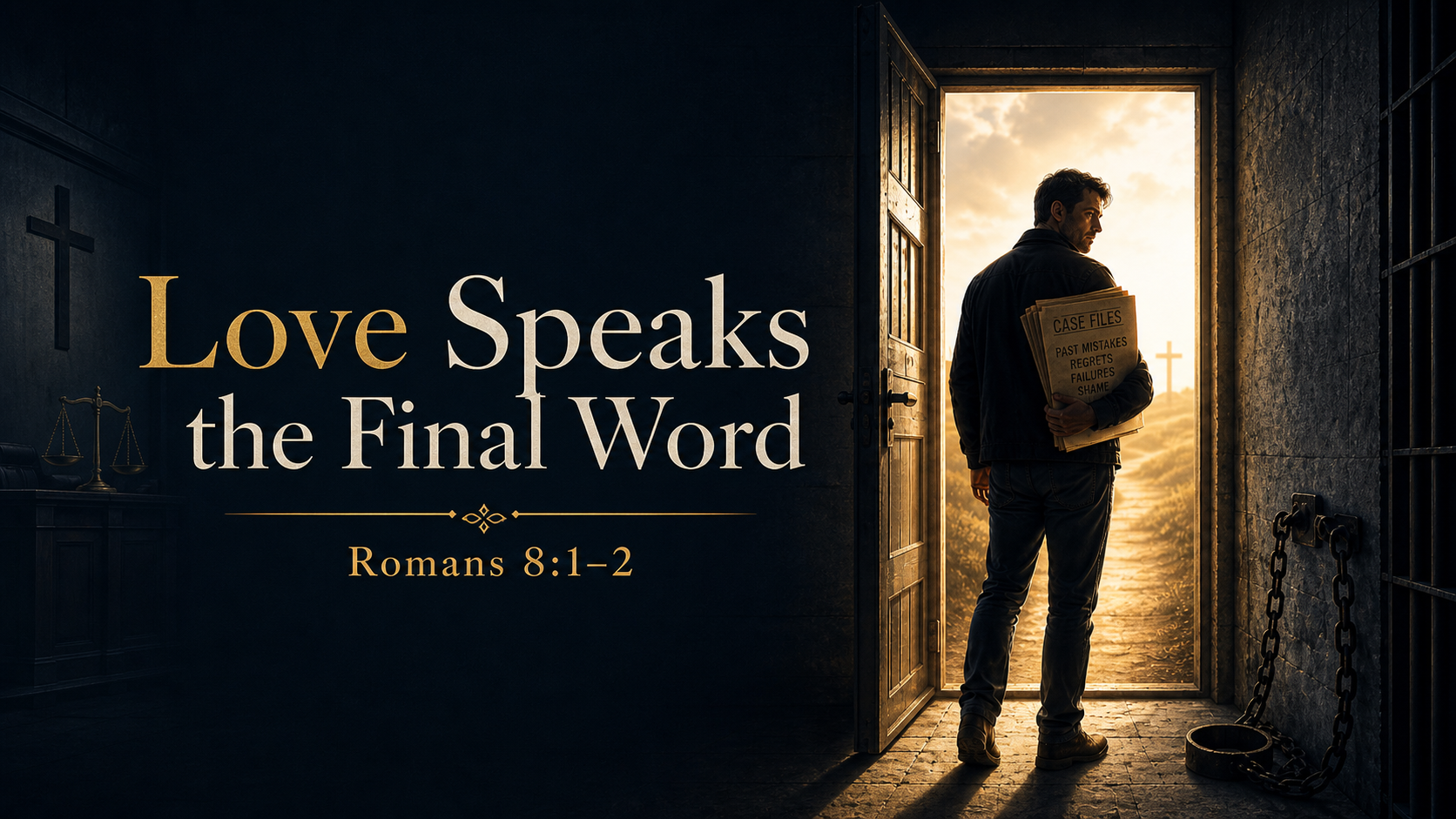
Click the Image to Listen
A message on Romans 8:1–2 about grace, accountability, and the struggle to receive the forgiveness Christ has already given. Love Speaks the Final Word explores the internal courtroom of memory, the difference between conviction and condemnation, and the Spirit-given power to move forward without minimizing sin or living chained to shame.

The Language of the Victim
Our legal system knows how to count losses, classify injuries, and convert suffering into punishment. What it often does not know how to do is truly hear the victim. This essay argues that Scripture offers a different language for harm: lament. Lament is not vengeance, and it is not sentimental grief. It is truth-telling before God and community, the insistence that the wound is real and that justice must do more than process pain through a verdict. At the intersection of faith and law, restoration begins when the victim is not merely referenced, but heard.
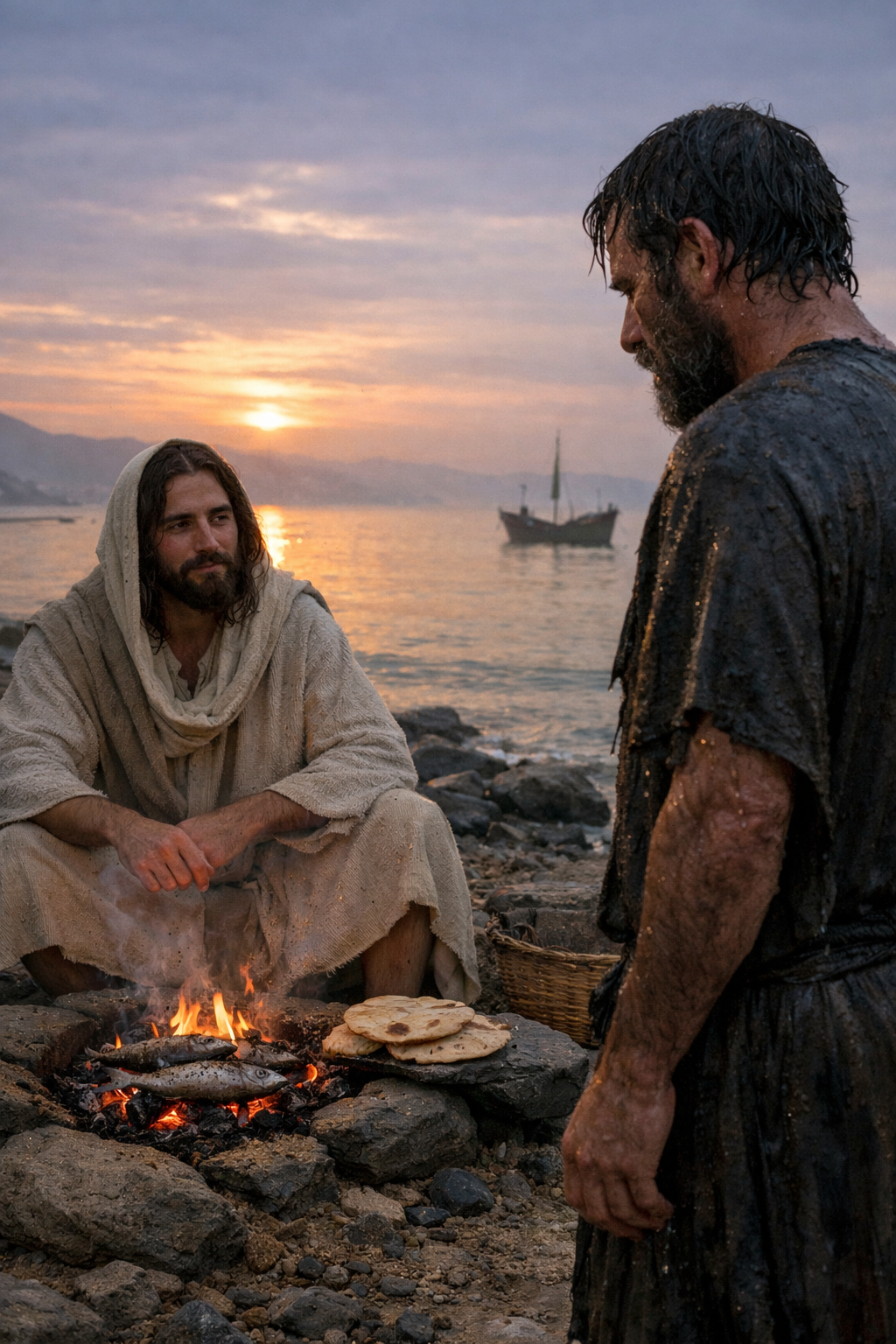
Love Restores
Love restores by coming near the place of failure. It does not begin with accusation or humiliation. It meets us with mercy, tells the truth without turning away, and calls us forward when shame says the story is over.

Love Carries the Weight
Love shows up while it is still dark. It does not wait for all the answers to arrive. It moves toward the Lord even when the heart is broken and the mind cannot yet make sense of what God is doing.

Love Pours Out
Love goes where the beloved is trapped. At the cross, Jesus did not stand at a distance and shout instructions. He came near. He stepped into shame, suffering, and death itself so that guilty people could come home to God. The cross is the public display of the love of God.

The New Bridge: Mitigation as a Pathway to Restoration
Mitigation is the bridge we build when parole can no longer bear the weight. Where the system has grown too fearful to recognize repentance on its own, mitigation helps make transformation visible. If justice is to serve both accountability and hope, the law must have a way to see the truth of a life, not just the facts of a crime.

Love Makes Room
We tend to call a room loving because it feels warm to the people already inside it. But Jesus disrupts that illusion. At a Sabbath table shaped by status, reciprocity, and polished religion, He commands the host to invite the very people the world has learned to step around. “But when you give a banquet, invite the poor, the crippled, the lame, the blind.” The scandal is not merely that they are helped. It is that they are welcomed. The gift is not managed mercy. The gift is room.
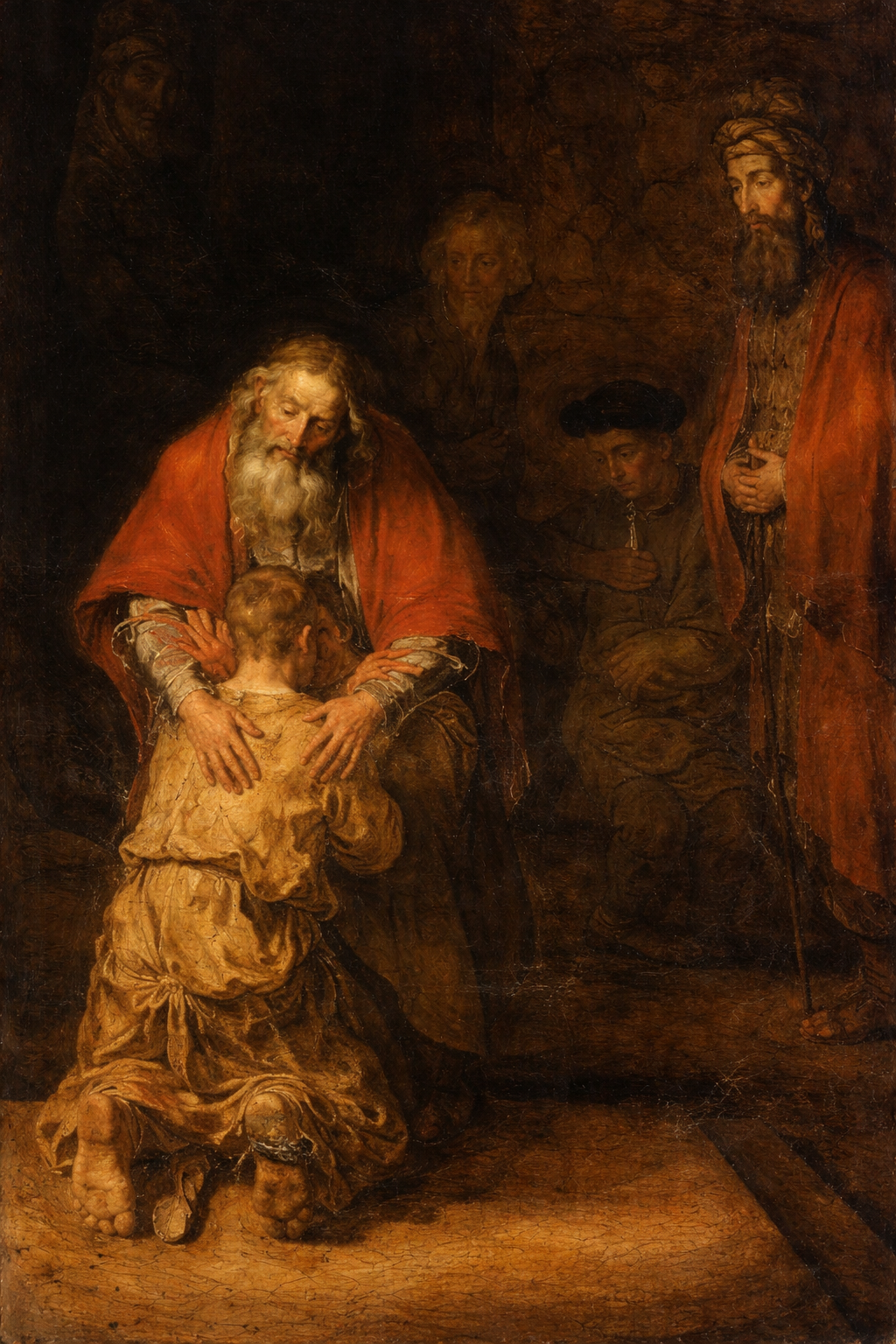
When Justice Learns to See
There is a story Jesus told that still speaks a better word than many law books ever have.
In Luke 15, a younger son demands his inheritance prematurely and travels into what Scripture calls a far country—a place where dignity is squandered and identity is forgotten. But then something happens. He comes to himself. His mind turns. His heart turns. His feet turn.
It is one of Scripture’s clearest pictures of repentance—the 180-degree return home.
Yet standing outside that story is another figure: the Older Brother. He keeps the ledger. He sees only the offense.
And in many ways, our legal system does the same.
But in 2018, the Indiana Supreme Court briefly chose a different path.

Love Stays in the Storm
We have a habit of translating God’s love into good weather. We assume that if we are obedient and doing the right things, the sea should calm down out of respect for our effort. But Mark disrupts that illusion. Jesus is the one who says, “Let us go over to the other side,” and the storm meets them in open water. Fear accuses: “Teacher, don’t you care if we drown?” Then Mark adds the offensive detail. Jesus is in the stern, asleep on a cushion. But His rest is not apathy. “Quiet! Be still!” The wind dies down. The gift is presence.

When the Bridge Broke: Restoring the Theological Promise of Parole
Parole was never meant to be a loophole; it was a bridge. Built on the belief that transformation is real, it once recognized repentance and restoration. Today, risk calculation has replaced redemption. If justice is to serve both accountability and hope, we must restore parole as a mechanism capable of seeing change and allowing the road home.
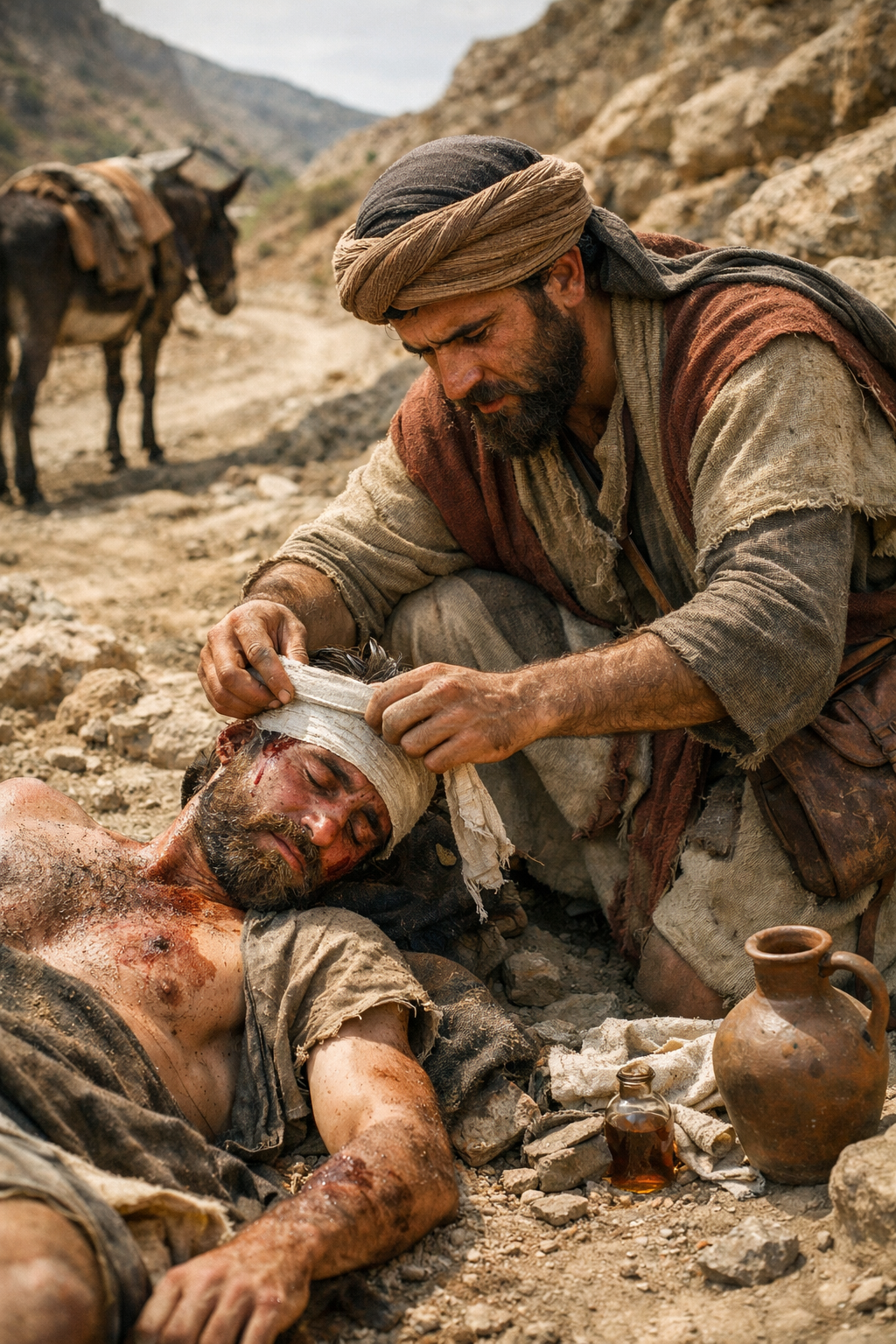
Love Crosses the Road
Jesus-shaped love is interruptible, tangible, and costly, moving toward the wounded with wisdom and boundaries. The sermon ends with the Gospel turn: we were the ones in the ditch, and Christ crossed the road to rescue us.
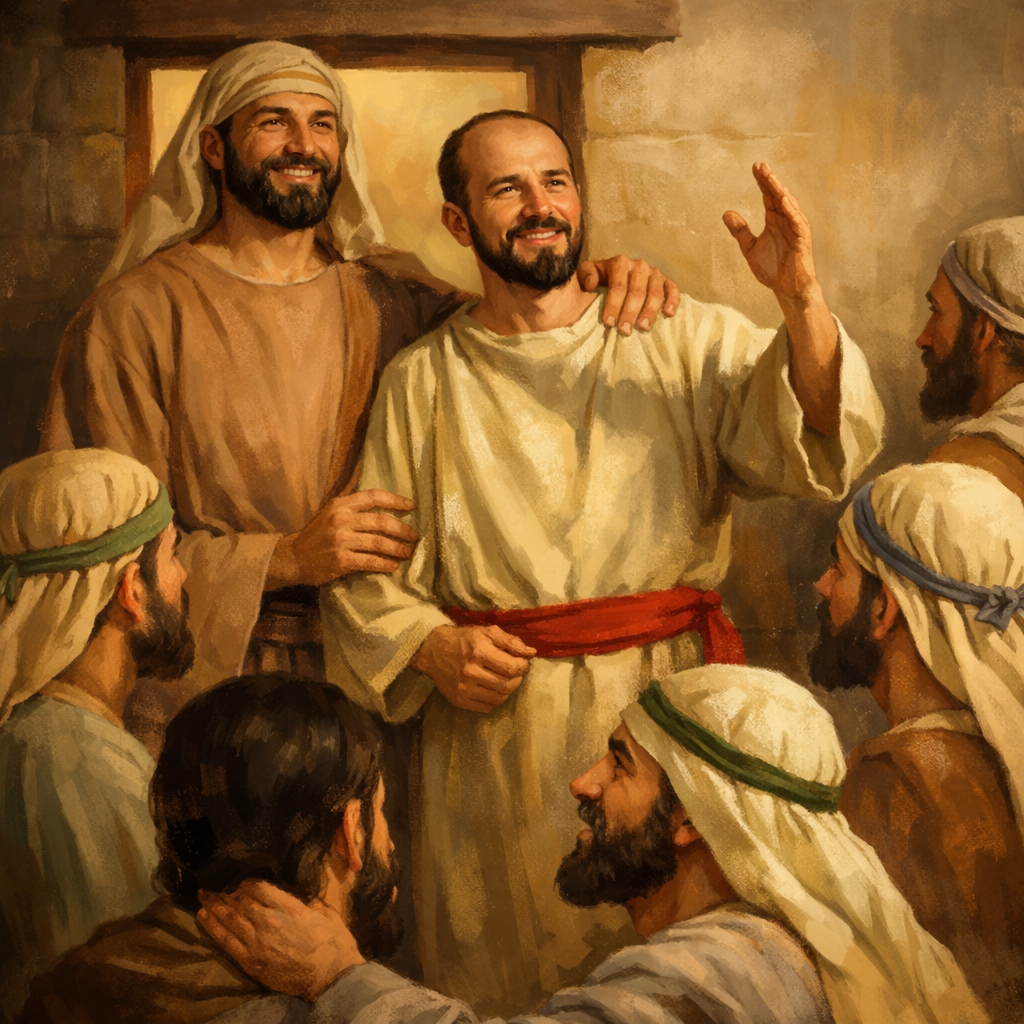
The Love That Makes Room
In Acts 9, Saul tries to join the believers, and their fear is understandable—but the danger is when caution hardens into a gate that keeps out people God is transforming. “But Barnabas” shows what brotherly love looks like: courageous sponsorship, i.e., standing with someone, using your credibility to make room for belonging, without ignoring harm or demanding instant trust. The call is simple: because Jesus sponsored us first, we become the kind of community where someone doesn’t have to stand at the door alone.

What Is Restorative Accountability?
Restorative accountability is a biblical third way that holds compassion and accountability together. It requires truth-telling, repentance, and repair (not just punishment) so that victims are honored, wrongdoers are transformed, and communities move toward shalom.

More Than A Verdict
We often picture justice as punishment, but Scripture shows God’s justice as restoration. Biblical justice aims to restore the harmed, transform the one who caused harm through truth and repentance, and rebuild the community, with grace as the power that makes healing and repair possible.

Honor the Wound: Why the Truth of the Person Harmed Is the Starting Point of True Justice
Law seeks order; Justice demands recognition. "Honor the Wound" is a deep dive into the intersection of Derridean philosophy, trauma-informed lawyering, and the radical act of presence. It is a call to slow down the machinery of the state long enough to see the human being who must live with the scars of harm.

Possibility Begins with Grace
From Zacchaeus’ table to modern courtrooms, grace has always been the starting point of transformation. Justice requires us to pause long enough to see the person first.

As I Have Loved You
Jesus didn’t call us to a love that is easy, but to a love that is honest. Real love doesn't rush past pain; it sits in the dust with it. It is a love that honors the wounded, protects the vulnerable with boundaries, and intercedes when others walk away. Join us as we explore what it means to love with the basin, the towel, and the truth.