Just Ministry
Featured






A message on Romans 8:1–2 about grace, accountability, and the struggle to receive the forgiveness Christ has already given. Love Speaks the Final Word explores the internal courtroom of memory, the difference between conviction and condemnation, and the Spirit-given power to move forward without minimizing sin or living chained to shame.
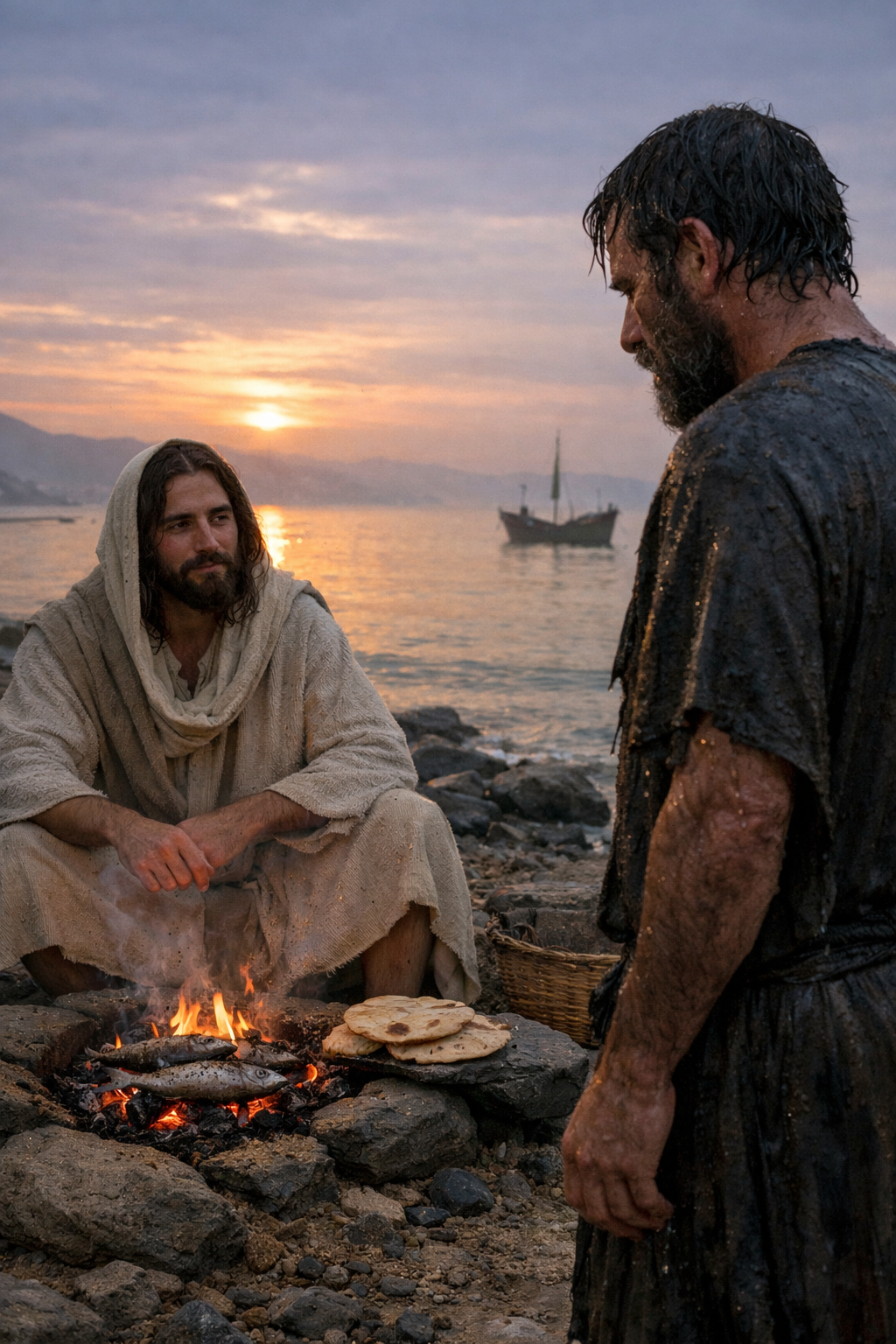
Love restores by coming near the place of failure. It does not begin with accusation or humiliation. It meets us with mercy, tells the truth without turning away, and calls us forward when shame says the story is over.
Love shows up while it is still dark. It does not wait for all the answers to arrive. It moves toward the Lord even when the heart is broken and the mind cannot yet make sense of what God is doing.
Love goes where the beloved is trapped. At the cross, Jesus did not stand at a distance and shout instructions. He came near. He stepped into shame, suffering, and death itself so that guilty people could come home to God. The cross is the public display of the love of God.
We tend to call a room loving because it feels warm to the people already inside it. But Jesus disrupts that illusion. At a Sabbath table shaped by status, reciprocity, and polished religion, He commands the host to invite the very people the world has learned to step around. “But when you give a banquet, invite the poor, the crippled, the lame, the blind.” The scandal is not merely that they are helped. It is that they are welcomed. The gift is not managed mercy. The gift is room.
We have a habit of translating God’s love into good weather. We assume that if we are obedient and doing the right things, the sea should calm down out of respect for our effort. But Mark disrupts that illusion. Jesus is the one who says, “Let us go over to the other side,” and the storm meets them in open water. Fear accuses: “Teacher, don’t you care if we drown?” Then Mark adds the offensive detail. Jesus is in the stern, asleep on a cushion. But His rest is not apathy. “Quiet! Be still!” The wind dies down. The gift is presence.
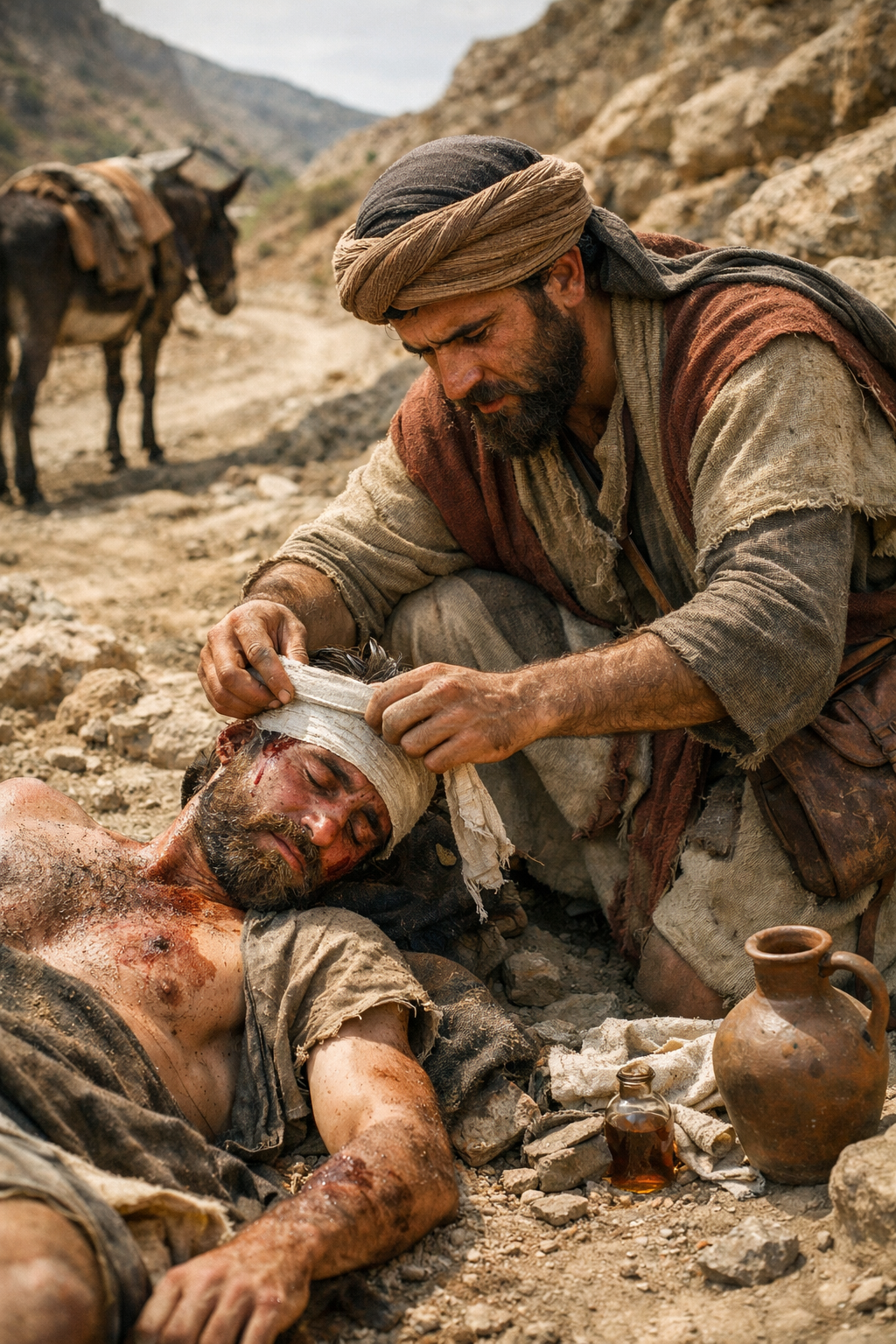
Jesus-shaped love is interruptible, tangible, and costly, moving toward the wounded with wisdom and boundaries. The sermon ends with the Gospel turn: we were the ones in the ditch, and Christ crossed the road to rescue us.
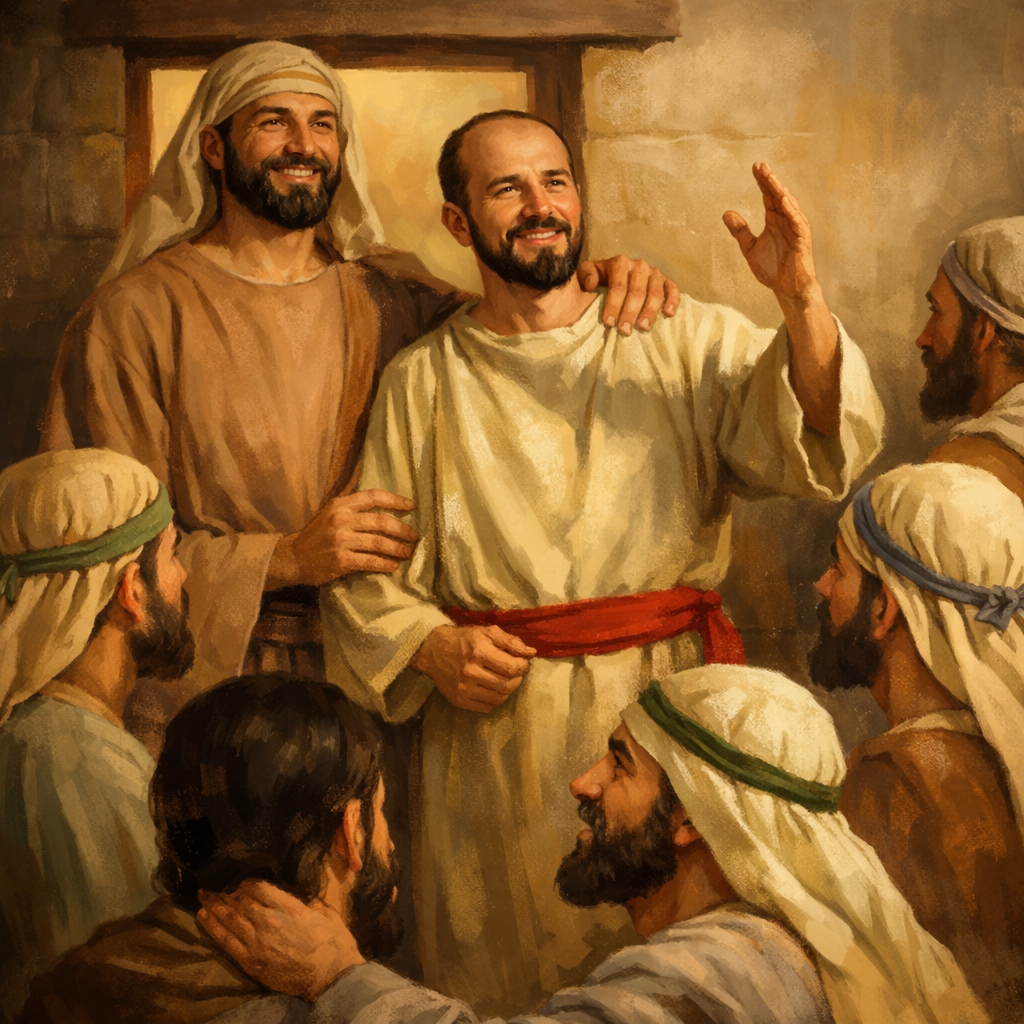
In Acts 9, Saul tries to join the believers, and their fear is understandable—but the danger is when caution hardens into a gate that keeps out people God is transforming. “But Barnabas” shows what brotherly love looks like: courageous sponsorship, i.e., standing with someone, using your credibility to make room for belonging, without ignoring harm or demanding instant trust. The call is simple: because Jesus sponsored us first, we become the kind of community where someone doesn’t have to stand at the door alone.
Jesus didn’t call us to a love that is easy, but to a love that is honest. Real love doesn't rush past pain; it sits in the dust with it. It is a love that honors the wounded, protects the vulnerable with boundaries, and intercedes when others walk away. Join us as we explore what it means to love with the basin, the towel, and the truth.